



Navigating Regional Wholesalers: A Guide to Sourcing Smarter

Navigating Regional Wholesalers: A Guide to Sourcing Smarter
Navigating regional wholesalers for liquidation pallets is the most effective corporate strategy for secondary market retail operators looking to source premium consumer inventory directly from bulk logistics centers. Understanding how regional freight supply networks function allows you to identify high-yield wholesale liquidation pallets before they are listed on public online portals, cutting out intermediate broker markups entirely. By building a sustainable sourcing route directly with localized fulfillment networks, you keep your investment capital efficient and shield your business margins from volatile commercial freight pricing.
To scale a commercial resale storefront successfully in 2026, you cannot rely on erratic online listings or generic mystery boxes. This industrial-grade operational playbook covers how to analyze regional return centers, audit freight pathways, and establish priority relationships with the primary gatekeepers of bulk liquidated inventory.
The Landscape of Regional Wholesale Distribution Nodes
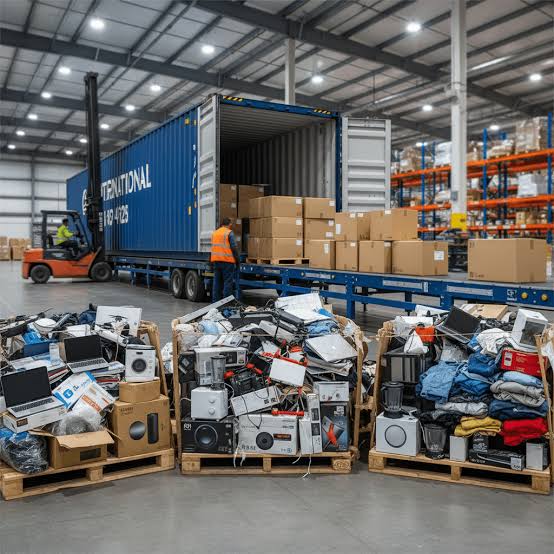
The secondary retail market relies entirely on primary consumer supply lines. When major national retailers experience a surge in seasonal overstock or raw customer returns, they do not have the floor space to store those lagging goods. Instead, they quickly move the inventory out to large, strategically located regional staging centers.
These large logistics points serve as the true starting line for your inventory pipeline. By shifting your sourcing approach away from public online middle-men and focusing on your regional warehouse grid, you can intercept high-quality amazon pallet liquidation lots right at their drop-off source. This hands-on method gives you an immediate competitive edge over other sellers who simply wait around for leftovers to appear on national auction boards.
The Economics of Localized Inbound Logistics
Every mile your inventory spends moving inside a commercial freight truck chips away at your net profit margin. Long-distance shipping introduces expensive extra charges, fuel fees, and a higher risk of your items getting damaged during cross-dock transfers. When you buy inventory from distant states, you are essentially paying a heavy premium just to get the goods to your door.
[Reseller Cost Allocation Analysis]
├── Regional Pickup: 94% Inventory Equity | 6% Local Fuel & Travel Costs
└── Cross-Country Freight: 62% Inventory Equity | 38% Shipping & Liftgate Fees
By focusing your search on liquidation pallets near me or checking listings for a nearby pallet liquidation depot, you keep your transportation expenses to an absolute minimum. This allows you to reinvest those saved shipping dollars back into buying more inventory, expanding your product line, or running targeted digital ads to scale your store faster.
Strategic Regional Market Profiles
Analyzing Supply Stream Variations Across Major Logistics Gates
Different logistics regions naturally attract completely different types of consumer product return streams. Facilities located near major technology corridors will always receive a steady flow of high-end home office setups, computers, and digital accessories. Meanwhile, facilities positioned close to industrial manufacturing corridors tend to focus on heavy-duty automotive diagnostics and commercial building supplies.
The Contractual Reality of Raw Untested Customer Returns
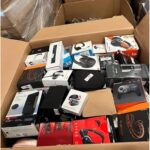
Buying raw, unmanifested pallets liquidation lots means accepting a high-stakes mix of risk and reward. These blind batches are shipped out exactly as they were returned, meaning they haven’t been sorted through by warehouse staff looking to skim off the best electronics. While you will inevitably encounter some broken or unsellable products, these raw lots also offer the absolute highest profit margins if you find premium, working items.
Maximizing Resale Margins with Targeted Niche Pallet Runs
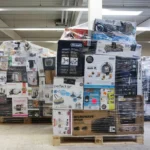
True resale growth comes from specializing in a specific product category rather than trying to sell random assortments. Concentrating on a single, high-margin niche like kitchen appliances or power tools allows you to master the repair process, create better listings, and build a loyal customer base. This focused approach makes it much easier to outcompete general sellers who don’t have the specialized knowledge to fix or properly price complex products.
Navigating Local Warehouse Policies and Gate Fees Safely
Every commercial warehouse operates under its own strict set of rules, safety protocols, and loading procedures. Professional distributors will require you to wear proper safety gear, show matching business documentation, and use dedicated loading bays during your pickup window. Understanding these gate rules ahead of time speeds up your turnaround times and shows warehouse managers that you are a serious, long-term business partner.
Sourcing Smart with Direct Brand-Vetted Manifest Protocols
Vetted manifests serve as your best line of defense against low-quality inventory. Reviewing an itemized checklist before buying allows you to calculate your exact potential return on investment using live market data. This systematic tracking eliminates guesswork, helping you spot lower-value lots before spending any capital.
Spotting Local Opportunities via Pallet Liquidators Near Me
Building an active sourcing network requires keeping close tabs on the top pallet liquidators near me. Checking regional facility inventories every week keeps your digital storefront packed with fresh, high-demand items. This consistent supply chain is exactly what separates growing full-time e-commerce brands from casual, weekend hobbyists.
Dominating High-Volume Midwestern Markets: Detroit Pallet Liquidation
Tapping into the large industrial return streams in the Midwest provides a major inventory advantage. Sourcing through a dedicated regional center for detroit pallet liquidation connects your business directly to massive tool, appliance, and hardware distribution channels. These durable item categories hold their value far better over time than fragile consumer tech novelties or fast-fashion apparel lots.
Operational Blueprint: Auditing and Vetting New Regional Suppliers
To protect your business capital from deceptive brokers and damaged lots, you must use a strict, step-by-step verification framework whenever you work with a new regional wholesaler. Follow this professional vetting process to ensure your inventory sources remain clean, reliable, and highly profitable.
Confirm the distributor maintains a real, physical commercial facility with active loading docks. Avoid brokers who hide behind residential addresses or refuse to offer in-person warehouse pickup options.
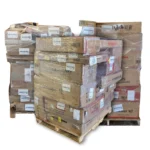
Examine the outer plastic wrap closely during your initial warehouse visit. Look for uniform, tight factory sealing layers, and walk away from any lots that show signs of re-taping, tears, or loose wrapping.
Compare a random selection of physical item barcodes against the provided manifest sheet. Ensure the brand names, product conditions, and quantities perfectly match the official inventory log.
Always demand a formal commercial invoice showing the complete breakdown of taxes, warehouse locations, and pallet ID numbers. This clean paperwork trail protects your business during audit checks and platform reviews.
Sourcing Matrix: Regional Distribution Nodes vs. Online Brokers
Understanding the operational differences between direct regional warehouses and online brokers is essential for protecting your bottom line. This comparative matrix outlines the real-world performance metrics of both sourcing methods.
| Key Sourcing Metric | Direct Regional Warehouse Node | Online Middle-Man / Broker Platform |
| Middle-Man Price Markups | 0% (Direct warehouse-to-buyer pricing) | 15% – 35%+ added broker commissions |
| Inbound Freight Expenses | Minimal (Only your local travel fuel costs) | High ($150 – $450+ freight shipping surcharges) |
| Tampering & Sorting Risks | Exceptionally Low (Undisturbed factory lots) | Moderate to High (Often picked through for electronics) |
| Chain of Custody Tracking | Direct, unbroken retail chain paperwork | Complicated, multi-tiered broker history |
| Customer Support Access | Face-to-face assistance with the manager | Delayed, automated email response tickets |
Featured Snippet Optimization: Smart Regional Asset Allocation
How do you find the most reliable regional liquidation wholesalers?
To find legitimate regional liquidation wholesalers, filter out online brokers by searching for physical commercial distribution centers within a 50-mile radius that offer open warehouse pickups. Legitimate suppliers maintain permanent industrial commercial spaces, provide clear wholesale documentation, and allow you to inspect the factory shrink-wrap in person before any money changes hands.
Frequently Asked Questions
What is a regional liquidation pallet node?
A regional liquidation node is a large, centralized commercial warehouse that buys bulk customer returns and excess retail inventory directly from national fulfillment centers. These regional hubs then sell those large lots directly to local business owners and independent online resellers, cutting out the expensive middle-men and brokers who operate online auction sites.
Why should I choose regional wholesale liquidation pallets over online lots?
Buying your wholesale liquidation pallets directly from a regional warehouse allows you to completely eliminate high freight shipping fees and residential delivery surcharges. It also gives you the chance to inspect the physical condition of the lot in person, ensuring the inventory hasn’t been picked through or damaged during cross-country transport.
How can I spot a tampered liquidation pallet at a regional warehouse?
Look for uneven wrapping, clear signs of re-taping, or loose plastic bands along the sides of the lot. Genuine, high-yield amazon liquidation pallets feature tight, uniform, machine-applied clear shrink-wrap directly from the primary retailer, with all original tracking stickers and warehouse barcodes remaining completely undisturbed.
Do I need a professional commercial business license to buy from regional wholesalers?
While some smaller local yards will sell individual lots to cash buyers without formal paperwork, the top-tier regional distribution centers will require a valid state business registration and a resale tax certificate. Having this paperwork on file allows you to buy your inventory tax-free while proving to major suppliers that you operate a legitimate commercial store.
What types of inventory yield the highest profit margins for local resellers?
Heavy consumer goods like power tools, lawn care equipment, and small kitchen appliances consistently deliver the highest return on investment for local flippers. These sturdy items are perfect for fast, local cash sales on platforms like Facebook Marketplace, allowing you to bypass complex shipping procedures and expensive carrier fees.
How do I handle unmanifested pallets liquidation batches safely?
When taking on a completely unmanifested liquidation pallet, make sure to base your purchase price strictly on the base weight of the cargo and the dominant product type visible on the outside of the lot. Budget that up to 20% of the inventory may be broken or unsellable, and treat any hidden premium electronics you find inside as a pure profit bonus.
Why do some online liquidation listings look so much cheaper than local warehouses?
Deceptive online brokers frequently list low-quality, picked-through lots at rock-bottom prices just to lure in unsuspecting beginners. Once you factor in their hidden buyers’ premiums, processing fees, and expensive freight shipping costs, these “cheap” online lots end up costing far more per item than buying a clean pallet from a reputable local supplier.
Take Charge of Your Inventory Strategy and Scale Today
Building a highly profitable, long-term resale business requires taking full control of your supply chain. Relying on overpriced online auction platforms and unpredictable freight delivery services makes it incredibly difficult to maintain healthy profit margins. Turn your local logistics grid into a massive competitive advantage today by finding a vetted regional supplier, tracking incoming retail return truckloads, and securing your first high-yield pallet lot right from the warehouse floor.
Disclaimer: All regional logistics data, warehouse fee structures, and inventory performance profiles analyzed in this guide reflect broader 2026 U.S. commercial liquidation trends and will vary based on your local industrial market and specific wholesale arrangements.